The Sturgeon Moon – Supermoon- Blue Moon
Tuesday, August 1, 2023 at 1:31 pm (Central Time)
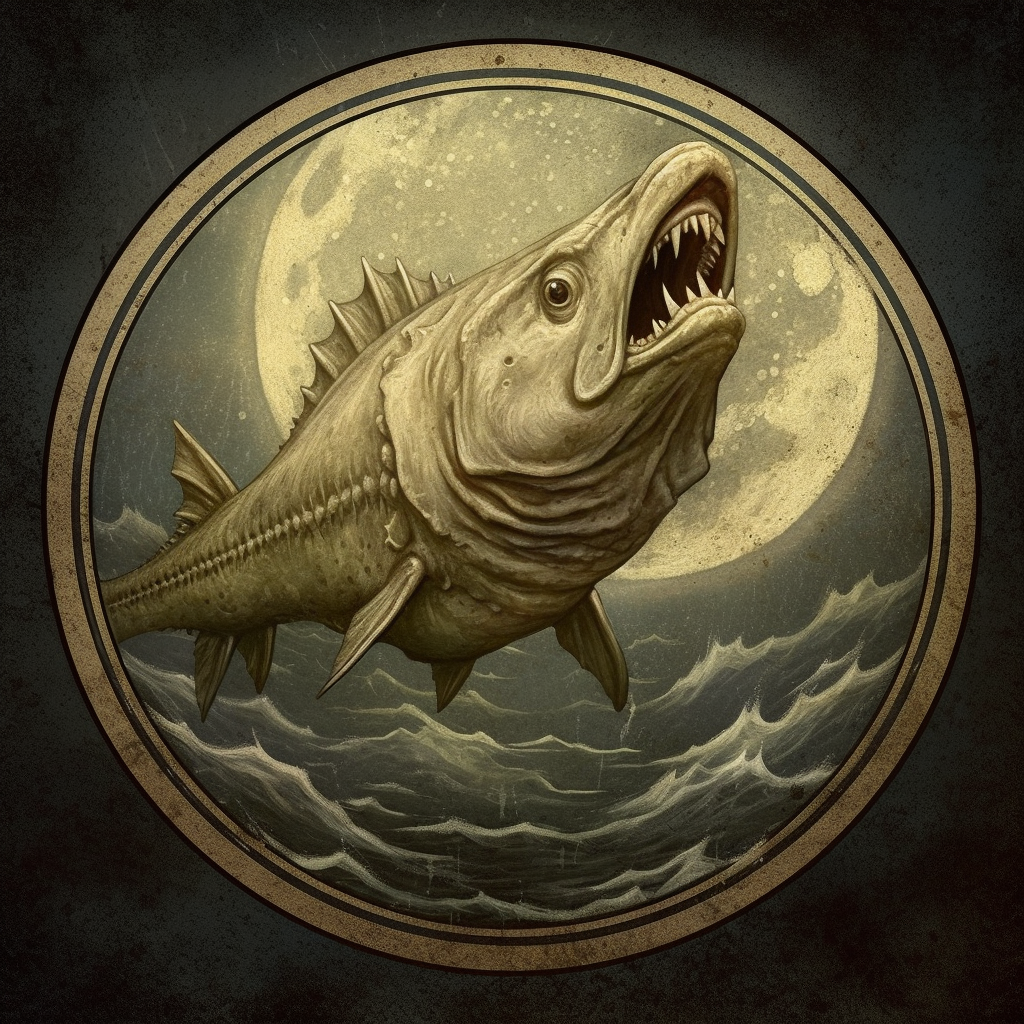
The Sturgeon Full Moon is one of the full moons that occur throughout the year. The term “Sturgeon Moon” originates from Native American tribes who used moon names to keep track of the seasons. Each full moon in a month has a different name based on the specific activities or natural events that typically occurred during that time of the year.
The Sturgeon Full Moon is usually associated with the month of August. It is called the Sturgeon Moon because it was historically the time of the year when Native American tribes often caught sturgeon fish in abundant quantities. The name helped them identify the best time for fishing and also marked a significant moment in the yearly cycle.
It’s important to note that the full moon names may vary slightly among different tribes and cultures, but the concept of naming full moons after natural events or activities during specific months is a common tradition in many cultures worldwide.
Supermoon
A supermoon is a term used to describe a full moon that appears larger and brighter in the sky than a regular full moon. This phenomenon occurs when the moon’s orbit brings it closer to the Earth than usual, resulting in the moon appearing up to 14% larger and 30% brighter than when it is at its farthest point from the Earth (apogee).
The moon’s orbit around the Earth is not a perfect circle; it is slightly elliptical. As a result, there are times when the moon is at its perigee, which is the closest point to the Earth in its orbit. When a full moon coincides with the perigee, we get a supermoon.
Supermoons are fascinating to observe and can be quite striking, especially when they coincide with events like lunar eclipses. They have captured the public’s attention in recent years, leading to increased interest in skywatching and astrophotography.
It’s worth noting that while the term “supermoon” is relatively recent, the phenomenon itself has always occurred throughout history. People now pay more attention to these events due to the ease of sharing information and images through the internet and social media platforms. Supermoons are safe to observe with the naked eye, and they provide an excellent opportunity for amateur astronomers and stargazers to appreciate the moon’s beauty and learn more about celestial events.
Blue Moon
“Blue Moon” is a term used to describe the phenomenon when there are two full moons in a calendar month. This typically occurs approximately every 2.7 years, which is why the phrase “once in a blue moon” is commonly used to refer to events that are rare or infrequent.
The term “Blue Moon” has its origins in folklore and does not actually refer to the moon’s color. In fact, the moon’s color remains the same during a blue moon; it can appear reddish or orange during certain atmospheric conditions, such as during a lunar eclipse, but it doesn’t turn blue.
The modern definition of a Blue Moon as the second full moon in a calendar month originated from a mistake made in the March 1946 edition of “Sky & Telescope” magazine. An article incorrectly defined a Blue Moon as the second full moon in a month with two full moons. This definition gained popularity over time and is now widely accepted.
A Blue Moon can be a special event for some people, and it has inspired songs, poems, and cultural references. While the occurrence itself is not particularly rare, the phrase has become synonymous with anything uncommon or extraordinary.
If you find this post helpful please consider my Amazon Wishlist, for Leo Season.